Posts

Cultivating Berry Plants in Cocopeat: A Comprehensive Guide

Image
"Join Us for Green Inspiration: Explore Garden Ideas and Techniques!" Introduction: Welcome to the world of berry gardening! In this poster, we will explore the art of growing delicious and nutritious berries using cocopeat as a growing medium. Cocopeat, derived from coconut husks, is an excellent alternative to traditional soil, offering numerous benefits to berry plants. Let's dive into the process of cultivating berries in cocopeat and unlock the secrets to a bountiful harvest. 1. Selecting Berry Varieties: Choose berry varieties that are well-suited to your climate and growing conditions. Popular options include strawberries, raspberries, blueberries, and blackberries. Consider factors such as sunlight requirements, temperature tolerance, and disease resistance. 2. Preparing Cocopeat: Ensure the cocopeat is properly hydrated before use. Soak it in water for a few hours, allowing it to absorb moisture and expand. Squeeze out any excess water to achieve a slightly damp ...

Cultivating Bitter Gourd in Cocopeat: A Guide to Successful Growth

Image
"Growing Bitter Gourd in Cocopeat: A Guide to Bountiful Harvests" Introduction: Welcome to the world of bitter gourd cultivation in cocopeat! In this guide, we will explore the steps and techniques required to grow healthy and productive bitter gourd plants using cocopeat as a growing medium. Whether you are a seasoned gardener or a beginner, this poster will provide you with valuable insights and practical tips for a successful bitter gourd harvest. 1. Prepare Your Growing Area: - Select a sunny location: Bitter gourd plants require ample sunlight, so choose a spot that receives at least 6-8 hours of direct sunlight. - Prepare the soil: Cocopeat, an organic and sustainable alternative to soil, is an ideal medium for bitter gourd. It provides excellent drainage, aeration, and water retention properties. - Fill containers or raised beds with cocopeat: Ensure the containers or raised beds are clean and have drainage holes to prevent waterlogging. 2. Choose High-Quality Bitter G...

Growing Oranges in Cocopeat: Benefits and Methods

Image
Unlock the Secrets to Successful Orange Cultivation Using Cocopeat! Introduction: Are you ready to embark on a journey to grow your own delicious and nutritious oranges? Look no further! This informative poster will guide you through the process of cultivating oranges using the versatile and eco-friendly growing medium called cocopeat. Discover the numerous benefits of cocopeat and learn how to maximize your orange harvest. Let's dive in! Section 1: The Benefits of Cocopeat - Cocopeat: What is it? - Retains moisture: Cocopeat has excellent water retention capabilities, keeping your orange plants hydrated for longer periods. - Enhanced aeration: Its fibrous structure promotes air circulation, ensuring healthy root development and preventing waterlogging. - Nutrient-rich: Cocopeat contains essential nutrients, promoting robust growth and fruit production. - Eco-friendly: Cocopeat is a sustainable alternative to traditional soil, as it is made from coconut husks, reducing waste and su...

Growing Grapes in Cocopeat: A Fruitful Journey

Image
Introduction:  Welcome to the world of grape cultivation! In this poster, we will explore how to grow grapes using the versatile medium of cocopeat and discuss its numerous benefits. Whether you're a seasoned gardener or a novice enthusiast, this guide will help you embark on a successful grape-growing adventure. Section 1: Getting Started 1.1 Selecting the Right Grape Variety: Choose grape varieties suitable for your climate and region. Consider factors such as taste preference, disease resistance, and growth habits. 1.2 Preparing the Growing Area: Select a well-drained location with ample sunlight. Clear the area of any weeds or unwanted vegetation. Prepare the soil by removing debris and loosening it to a depth of 12-18 inches. Section 2: Benefits of Cocopeat as a Growing Medium  2.1 Superior Moisture Retention: Cocopeat has excellent water-holding capacity, ensuring consistent moisture levels for the grape plants...

Growing Avocado in Cocopeat: A Nutrient-Rich Journey

Image
Unleash the Benefits of Avocado Cultivation with Cocopeat Introduction: Grab your gardening gloves and embark on an exciting journey of growing avocados in cocopeat! Discover the numerous benefits of cocopeat as a growing medium for avocado plants. Let's explore the step-by-step process and nurture these delightful green treasures. Benefits of Cocopeat: Environmentally friendly and sustainable alternative to traditional soil. Excellent water retention capacity, keeping the plant adequately hydrated. Provides essential nutrients and promotes healthy root development. pH-neutral composition, allowing optimal nutrient absorption. Lightweight and easy to handle, ideal for indoor and outdoor gardening. Step 1: Seed Selection and Germination: Choose ripe avocado seeds with a healthy appearance. Gently clean the seed and locate the top and bottom ends. Insert toothpicks into the sides of the seed and suspend it over a glass of water. Place the glass in a warm...

Planting Roses in Coco Peat: Benefits and Steps

Image
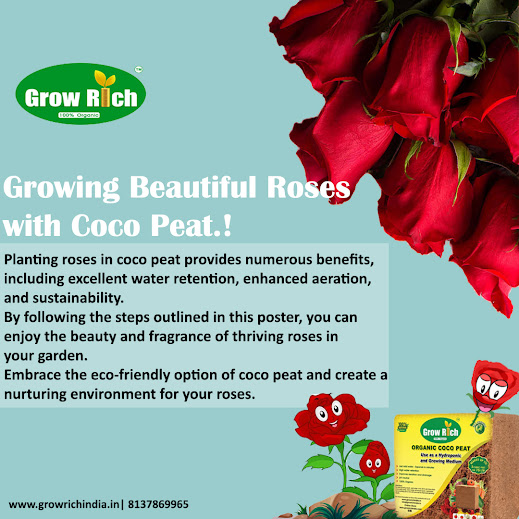
Growing Beautiful Roses with Coco Peat Introduction: Roses are a symbol of beauty and love, and growing them can be a rewarding experience. Coco peat, also known as coir or coconut coir, is a sustainable and versatile growing medium. This poster aims to guide you on how to plant roses in coco peat and highlight its numerous benefits. Benefits of Coco Peat: Excellent Water Retention: Coco peat has high water retention capabilities, ensuring consistent moisture for rose plants. It prevents water from draining too quickly, reducing the risk of root dryness. Roses thrive in moist soil, making coco peat an ideal medium for their growth. Enhanced Aeration: Coco peat has excellent air porosity, allowing roots to breathe and preventing waterlogging. It promotes healthy root development and reduces the risk of root rot. Improved aeration facilitates nutrient absorption, resulting in stronger and healthier rose plants. Sustainable and Environmentally Friendly: Coco pe...

Growing Potatoes in Coco Peat: A Guide to Success

Image
  Are you interested in growing potatoes using an organic and sustainable medium? Look no further than coco peat! In this informative guide, we will explore the benefits of using coco peat as a growing medium for potatoes and provide you with step-by-step instructions on how to cultivate your own potatoes using this versatile substrate. Advantages of Growing Potatoes in Coco Peat: Water retention: Coco peat can hold moisture well, reducing the frequency of watering and ensuring a steady supply of water to the potato plants. Aeration: The fibrous structure of coco peat promotes proper airflow and prevents waterlogging, allowing the roots to breathe and preventing the risk of root rot. Nutrient-rich: Coco peat contains essential nutrients that promote healthy growth and development of potato plants. Sustainable and environmentally friendly: Coco peat is a renewable resource and a great alternative to peat moss, which is often harvested unsustainably. Step-by-Step Guide to G...

Growing Capsicum in Cocopeat

Image
Welcome to the world of growing capsicum in cocopeat! Cocopeat, also known as coir or coconut fiber, is an excellent medium for growing capsicum due to its water retention and nutrient-rich properties. Materials Needed: Capsicum seeds or seedlings Cocopeat (available at garden centers or online) Planting containers or pots Organic fertilizer Watering can or spray bottle Gardening tools (trowel, gardening gloves) Step-by-Step Guide: a. Preparing the Cocopeat: Moisten the cocopeat by adding water until it becomes damp but not soggy. Place the cocopeat in a container or pot, leaving some space for the plant's roots. b. Planting Capsicum Seeds or Seedlings: If using seeds, sow them about 1/4 inch deep into the cocopeat. If using seedlings, make small holes in the cocopeat and gently place the roots inside, covering them with cocopeat. c. Providing Care and Maintenance: Place the containers in a sunny location, preferably where the capsicum plant receiv...

PLANTING OUT, MAINTAINING, AND HARVESTING TOMATOES GROWN IN COCO COIR

Image
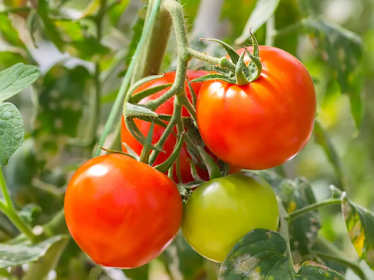
  HOW TO SOW TOMATO SEEDS IN POTS There are two main types of tomato: compact  bush  varieties, and larger  cordon  varieties. The latter grow better in large growing bags, 30cm pots, or in the ground, and will need to be staked for support.  Bush  varieties don’t need support as they grow much shorter and bushier. They can be grown in pots and hanging baskets easily. Tomato plants prefer slightly acidic soil, with an ideal pH of 6.0-6.8. They are also thirsty plants, requiring a good amount of water and lots of nourishment. Coco coir falls naturally within this pH range, is highly water retentive and absorbs nutrients well, making it an ideal substrate for thriving tomato plants. SOWING TOMATO SEEDS FOR HEALTHY GERMINATION As seedlings grow well at room temperature, around 18–21C, you can give them a good start by growing indoors during the earliest stages. If your seedlings are growing in a greenhouse, or similar temperature-controlled environment, y...

Coco Coir Help Home Gardeners “Grow like the Pros

Image
  Coco Coir Help Home Gardeners “Grow like the Pros” When a consumer buys those tasty “grown on the vine” tomatoes in their local grocery store, chances are those vines were sprouted and grown in a blend of “Coco Coir” growing medium rather than peat moss. Hydroponic and greenhouse growers around the world are well acquainted with Coco Coir (pronounce “coy-er”) growing compounds, and celebrate its convenience and water, nutrient and labor-saving properties. But as popular as the use of Coco “Peat” or “Coco fiber” in hydroponic and potting mixtures is with commercial growers, Coco Peat is new to most home gardeners in North America. Starting with the baseline that coir is sustainable, eco-friendly, long-lasting and organic, the user-friendly properties of this product are sure to make it the “go to” growing media for growing veggies in a pot or in the ground. Coco Peat is an Amazing Soil Conditioner Coco coir is more than a substitute for Peat moss—it has many superior qualities. Co...

How To Mix Potting Soil – Recipes For Seedlings, Herbs, And Vegetables, And Cacti And Succulents

Image
  How To Mix  Potting Soil  – Recipes For Seedlings, Herbs, And Vegetables, And Cacti And Succulents Potting Soil  for Seedlings Seedlings like light, airy soil with good moisture retention. Nutrients are not as important for this early stage of plant growth. This soil mixture is for starting seeds before later repotting to richer soil. 3 parts coco coir   or  sphagnum peat moss 1 part worm castings  or   compost 1 part vermiculite ½ part perlite Potting Soil  for Flowers, Herbs, and Veggies This mixture is great for most herbs and vegetables. Some flowers like acidic soil or require additional supplementation, but this mixture is a good starting base for any indoor or outdoor plant. 2 parts coco coir  or   sphagnum peat moss 1 part worm castings  or   compost 1 part vermiculite ½ part sand organic fertilizer (the amount depends on which fertilizer you use — all  organic fertilizers  have thorough instructions on...

Making Your Own Potting Soil – How To Mix Potting Soil For Indoor Plants

Image
What Are The Basic Components Of  Potting Soil ? There are four basic parts of  potting soil  that you need to account for if you decide to make your own  potting soil  mix. Different materials can be substituted depending on product availability and your gardening or environmental priorities, but your  potting soil  mixture will need to contain the following components: Base Substrate Moisture Retention/Aeration Nutrition Drainage Containers are great for a number of reasons, namely that they’re versatile, space-saving, and allow you to be more efficient in your use of resources. If you have a small garden space or live in an apartment with a balcony or rooftop, containers are for you. Choosing A Base  Potting Soil  Substrate This is the foundation of the  potting soil . The substrate is the most abundant item and will give your soil its bulk and its primary structure. Substrates are generally inert, meaning they offer no nutrition...